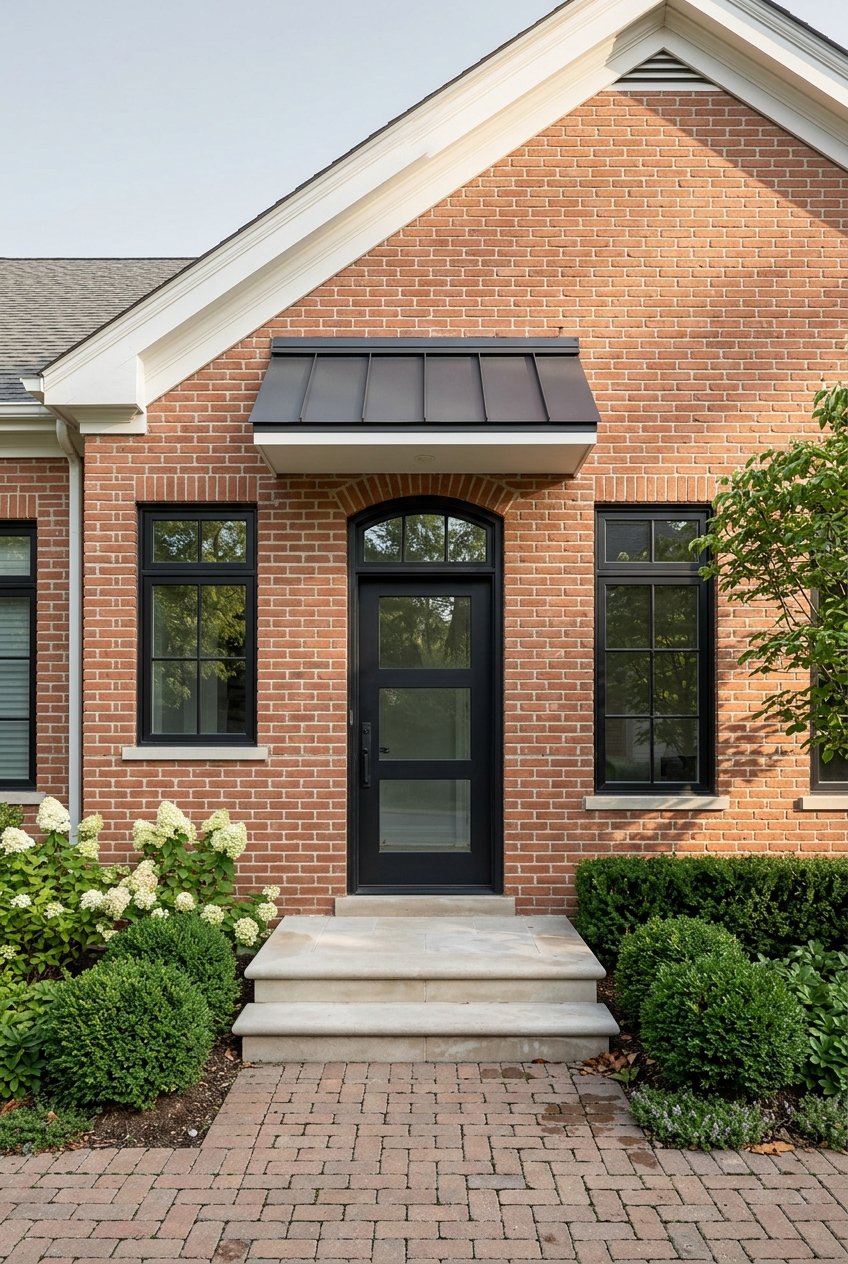
Are you drawn to the charm of a historic Lexington street, or do you want the simplicity of a newer home with modern finishes? If you are buying or selling in Lexington, understanding the city’s housing mix can help you narrow your options and make smarter decisions. From preserved historic districts to downtown infill and newer townhome-style living, Lexington offers a wide range of home styles and lifestyles. Let’s dive in.
Lexington Offers More Than One Home Style
Lexington is not a one-style housing market. According to Census data, Lexington-Fayette has 151,485 housing units, and 64% are single-unit structures. That means detached homes still shape much of the market, but you can also find condos, townhomes, and multifamily options depending on where and how you want to live.
The city’s planning approach also helps explain this variety. Lexington has focused on growing while preserving existing neighborhoods, downtown, and the rural Bluegrass landscape. For you as a buyer or seller, that creates a market where historic character, suburban convenience, and newer development all have a place.
Historic Lexington Homes
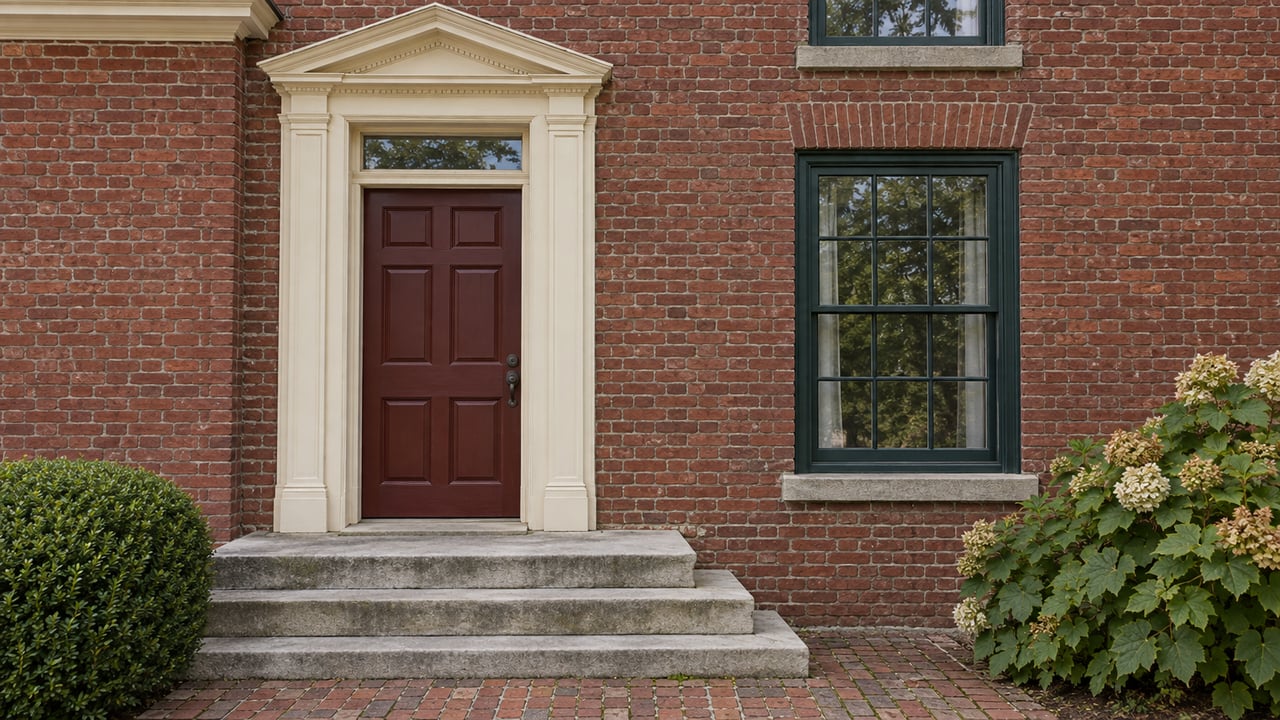
If you love original details, mature trees, and a strong sense of place, Lexington’s historic areas may stand out right away. These homes often offer architecture and streetscapes that feel distinct from newer construction. They can also come with extra review requirements, which is important to understand before you buy.
Lexington has a significant preservation framework. The city lists 15 local H-1 historic districts and 2 landmarks, and it administers 25 National Register historic districts plus 3 National Historic Landmarks in Fayette County. That tells you historic housing is not just a small niche here. It is a meaningful part of Lexington’s identity.
Gratz Park Style And Character
Gratz Park is often seen as the heart of Lexington’s oldest residential neighborhood. It is known for historic architecture, mature trees, and cobblestone alleys, which gives the area a timeless feel. If you are looking for a home with strong visual character, this is one of Lexington’s clearest examples.
The National Park Service identifies Greek Revival and Gothic architecture in the Gratz Park district. Those style cues can mean a very different look and feel from a newer subdivision home. For buyers, that difference is often part of the appeal.
Ashland Park Architecture
Ashland Park shows another side of older Lexington housing. The district largely dates from 1919 to 1934 and is made up mostly of one-, one-and-one-half-, and two-story dwellings. It is a strong example of an early-20th-century planned suburb rather than Lexington’s earliest residential core.
Architecturally, Ashland Park includes Colonial Revival, Craftsman, Bungalow, and American Foursquare homes. The neighborhood is also noted for curving streets, generous parkways, and triangular greens. If you want historic style with a neighborhood layout that feels intentionally planned, Ashland Park is a useful reference point.
What Historic District Rules Mean
Historic charm often comes with added responsibilities. In Lexington’s local H-1 districts, property owners must obtain a Certificate of Appropriateness for exterior changes. Minor work may be approved by staff, while larger changes go before the Board of Architectural Review.
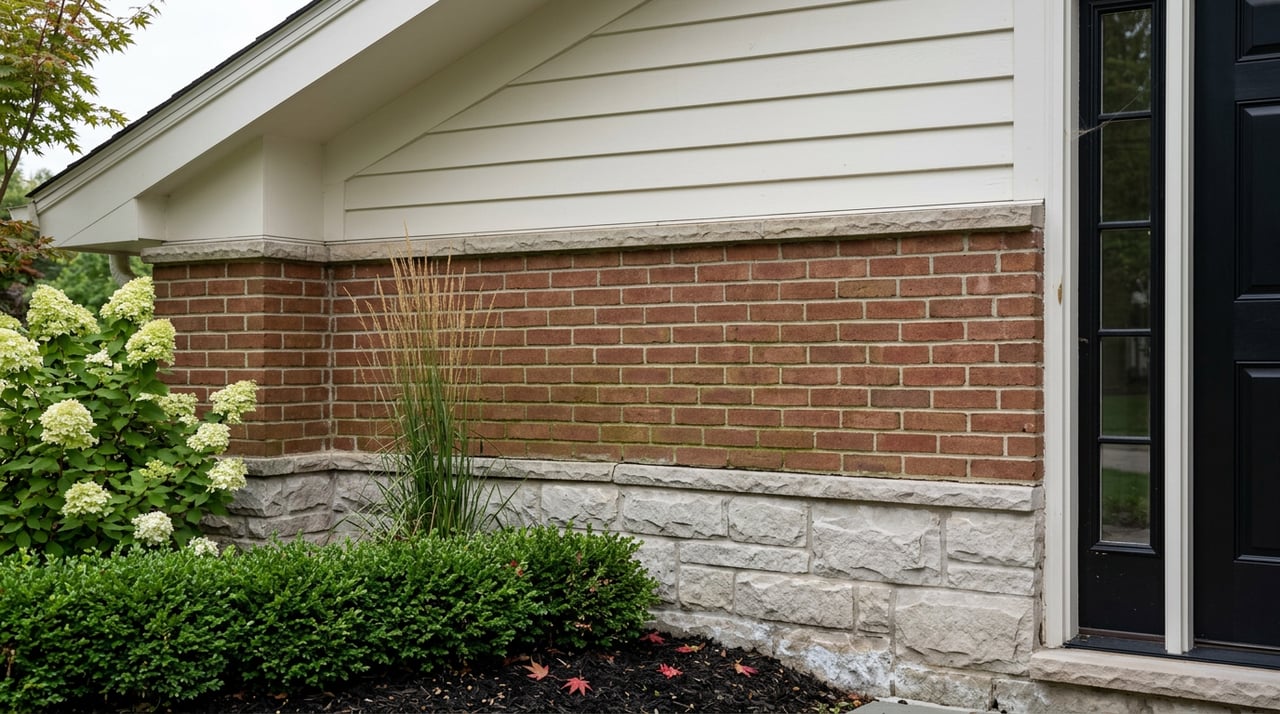
That matters if you are thinking about updating windows, changing exterior materials, or altering visible features. In some areas, ND-1 overlay zones may also regulate exterior materials, roof lines, landscaping, window and door openings, and front-building features. If you are considering an older home, it is wise to factor design review into your timeline and renovation plans.
Newer Homes And Infill Options
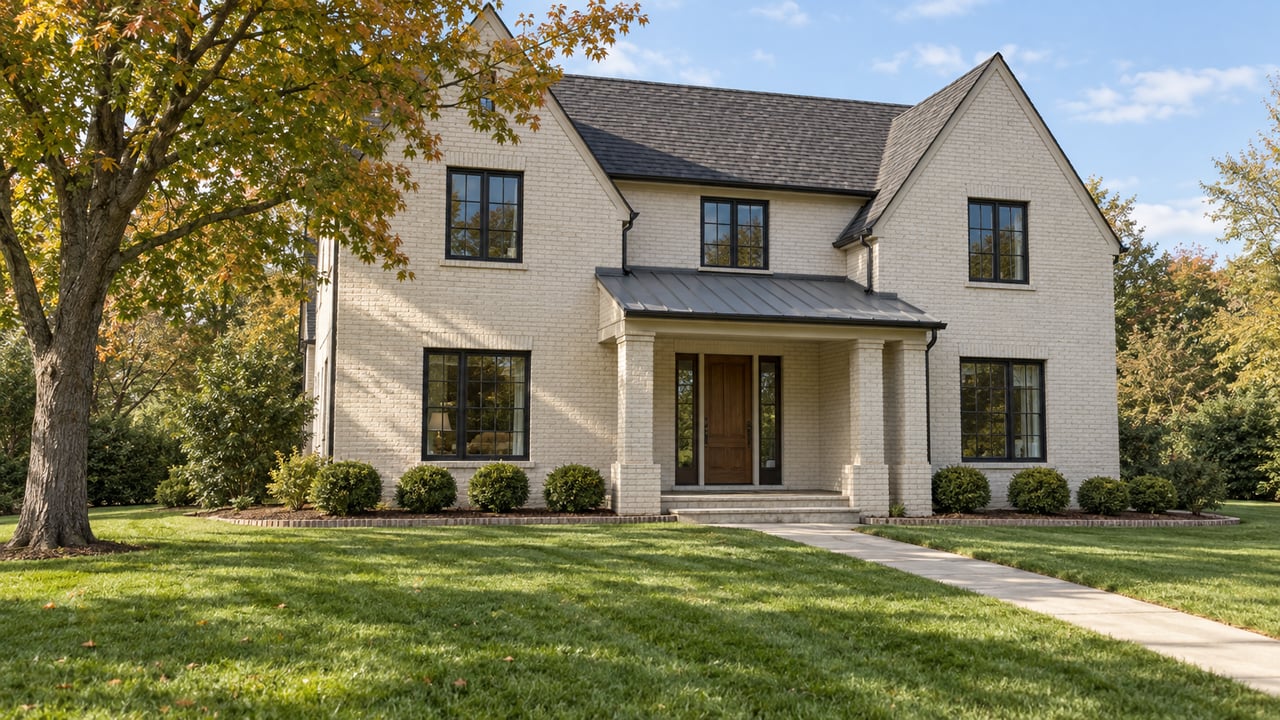
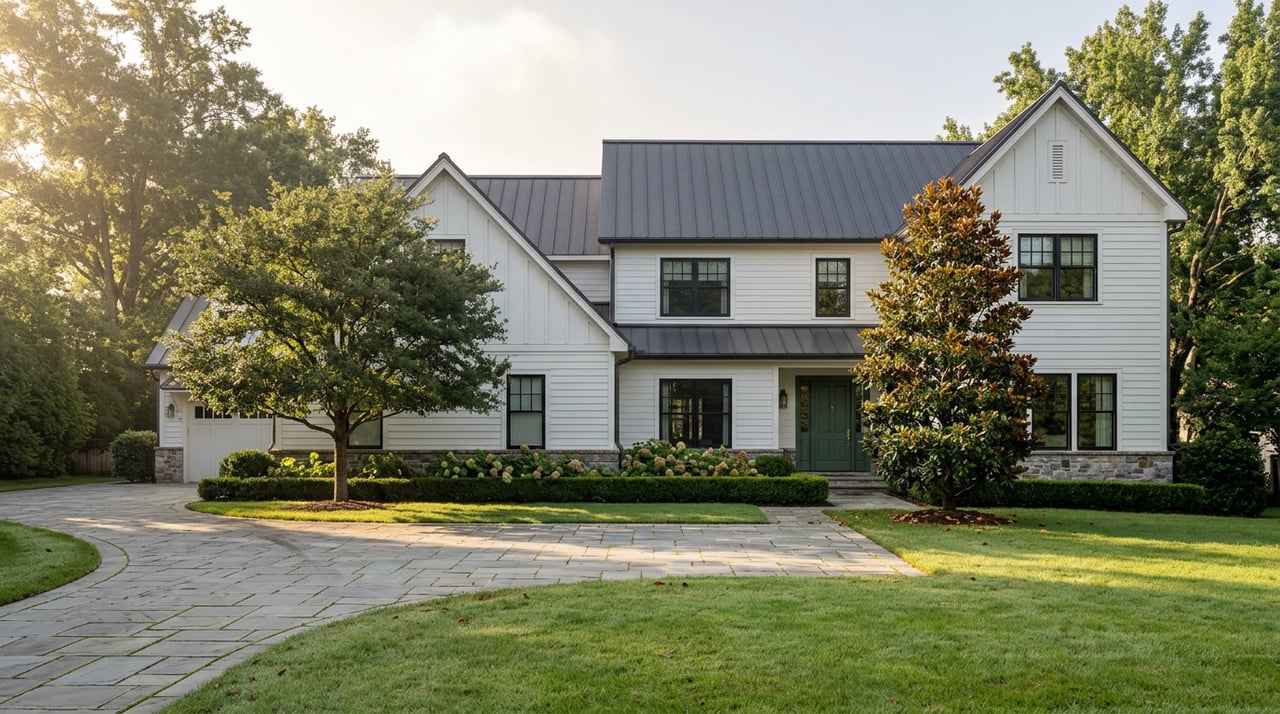
Not every Lexington buyer wants a historic property. Some people want newer construction, more standardized layouts, or lower exterior upkeep. In Lexington, that story shows up in downtown infill, newer housing projects, and future growth areas inside the Urban Service Boundary.
The city describes downtown as a place with modern homes and renovated historic buildings. Town Branch Commons adds a continuous trail-and-greenway system that connects downtown to the Legacy Trail and Lexington’s rural landscape. For you, that can mean a blend of urban convenience and outdoor access in one part of the city.
Downtown Living In Lexington
Downtown housing can appeal to buyers who want to be near restaurants, arts, parks, and everyday activity. It also offers a different housing experience than a more traditional single-family neighborhood. Depending on the property, you may find newer units, renovated historic spaces, or a more compact footprint.
If walkability and convenience matter to you, downtown Lexington may deserve a closer look. It represents one of the clearest places where newer housing and adaptive reuse come together. That gives buyers more than one path to a central location.
Townhomes And Mixed Housing Types
Recent city-backed housing projects show how varied Lexington’s newer housing options have become. Examples include five affordable townhomes on East Sixth Street, modular senior apartments at Freedom Senior Apartments, and mixed-income housing at The Railyard. These projects show that newer housing in Lexington is not limited to one product type.
For buyers, that means you may find opportunities beyond the classic detached home. Townhomes, apartments, and mixed-format developments are part of the broader housing picture. That can be especially useful if you want a lower-maintenance option or a different price point.
Low-Maintenance Living In Lexington
Low-maintenance living is not only found in brand-new developments. Even in established neighborhoods, you may find condo options that offer a simpler ownership experience. That can be a strong fit if you want less exterior upkeep or a more lock-and-leave lifestyle.
One example noted in Ashland Park is Hanover Towers Condominium. It is a reminder that older Lexington neighborhoods are not limited to traditional single-family homes. If you like mature surroundings but want fewer maintenance demands, this kind of option may bridge the gap.
Growth Areas To Watch
Lexington’s housing future is also being shaped by planned growth. In 2024, the city approved a 2,800-acre Urban Service Boundary expansion in five locations. Draft growth designs call for walkable town centers, neighborhoods, businesses, roads, trails, green space, and parks.
The city also updated policy to support certain housing developments inside the Urban Service Boundary. For buyers, that may mean more opportunities over time in newer areas with planned infrastructure and open space. For sellers, it is one more reason to understand how changing inventory can influence buyer expectations.
How To Choose The Right Style
The right home style depends on how you want to live day to day. Some buyers prioritize original architecture, established streetscapes, and historic details. Others want newer finishes, a simpler maintenance routine, or a location closer to downtown activity.
As you compare options in Lexington, it helps to think about a few practical questions:
- Do you want historic character or newer construction?
- Are you comfortable with possible exterior design review in a historic area?
- Do you prefer a detached house, townhome, or condo?
- Is walkability important, or do you want a more traditional neighborhood layout?
- Would lower-maintenance living make your day-to-day life easier?
A thoughtful home search is not just about square footage or price. It is about matching the property style to your routine, priorities, and long-term plans.
What This Means For Buyers And Sellers
If you are buying in Lexington, knowing the city’s home-style range can help you search with more clarity. You can better separate must-haves from nice-to-haves and avoid wasting time on homes that do not fit your goals. It also helps you ask better questions about design rules, maintenance, and future resale appeal.
If you are selling, your home style is part of your marketing story. A historic home, a condo in an established area, or a newer build may each speak to a different kind of buyer. Presenting those strengths clearly is one of the best ways to stand out in a market as varied as Lexington.
Whether you are comparing Gratz Park character, Ashland Park architecture, downtown infill, or newer growth areas, local guidance can make the process much easier. If you want help matching your goals to the right Lexington home style, connect with Cheri Shaffer for a personalized consultation.
FAQs
What kinds of home styles are common in Lexington, Kentucky?
- Lexington includes a mix of detached single-family homes, historic homes, condos, townhomes, renovated older properties, and newer infill housing.
What architectural styles can you find in Gratz Park in Lexington?
- Gratz Park is known for historic character, and the district includes Greek Revival and Gothic architecture.
What home styles are typical in Ashland Park in Lexington?
- Ashland Park includes Colonial Revival, Craftsman, Bungalow, and American Foursquare homes, with many built between 1919 and 1934.
What rules apply to homes in Lexington historic districts?
- In local H-1 historic districts, exterior changes require a Certificate of Appropriateness, and some changes may also be affected by ND-1 overlay design standards.
Where can you find newer housing options in Lexington?
- Newer housing options appear in downtown infill areas, city-backed townhome and mixed-housing projects, and planned growth areas inside the Urban Service Boundary.
Are condos available in older Lexington neighborhoods?
- Yes. Established neighborhoods can include condo options, such as Hanover Towers Condominium in Ashland Park.
How is Lexington planning for future housing growth?
- The city approved a 2,800-acre Urban Service Boundary expansion in 2024, with plans that include neighborhoods, trails, green space, parks, roads, and walkable town centers.